CLIPP around the world
January 8, 2026
CLIPP holds its first board meeting and sets out its roadmap for 2026
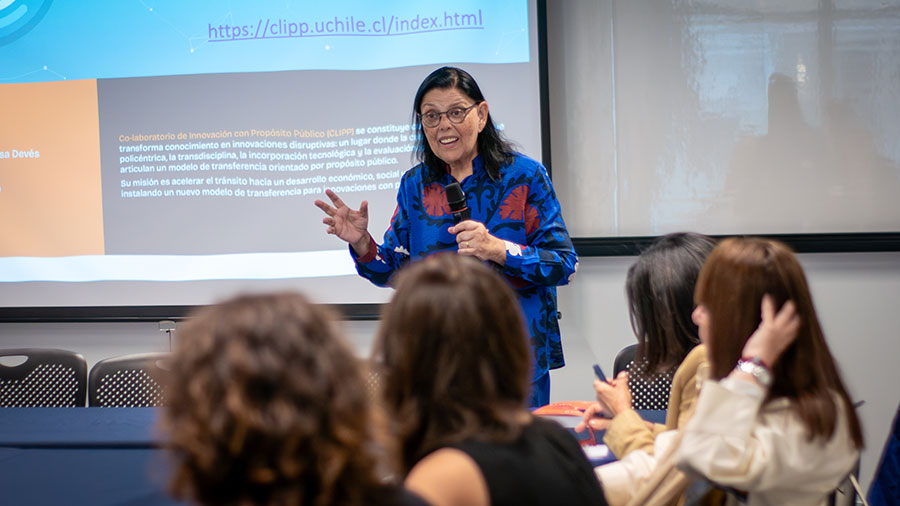
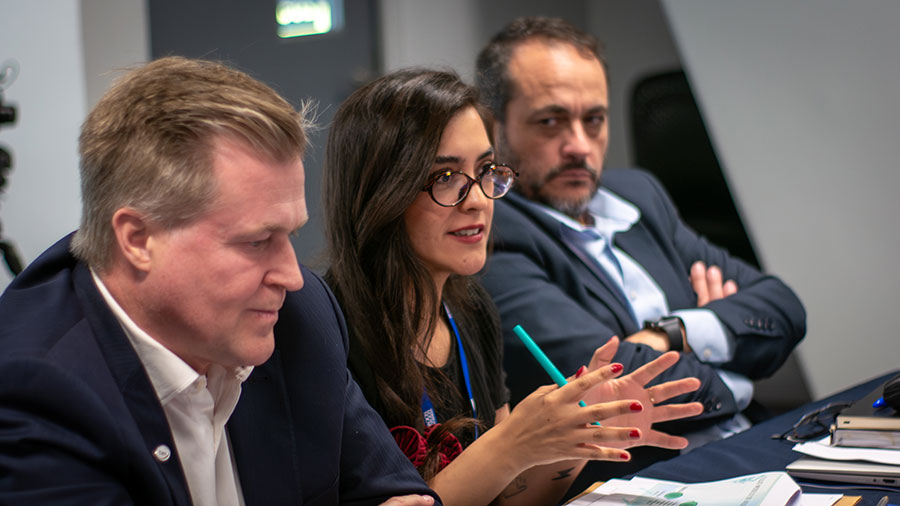
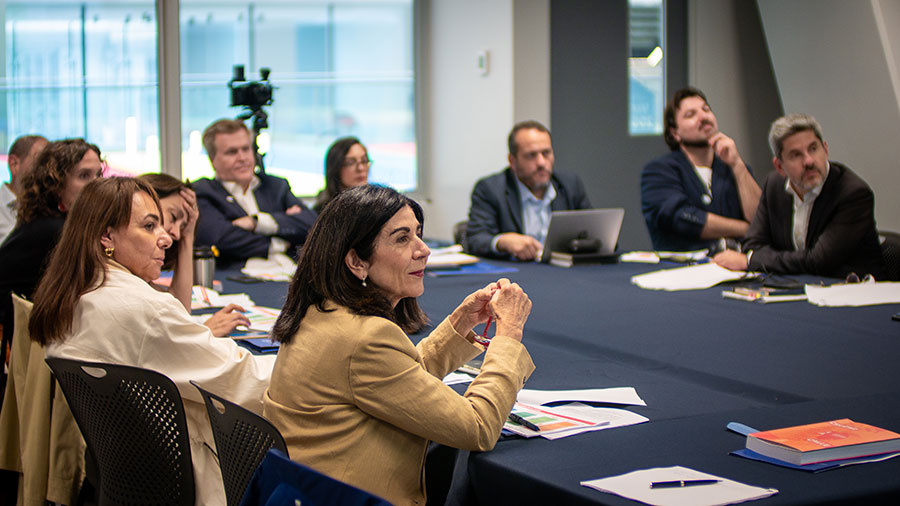
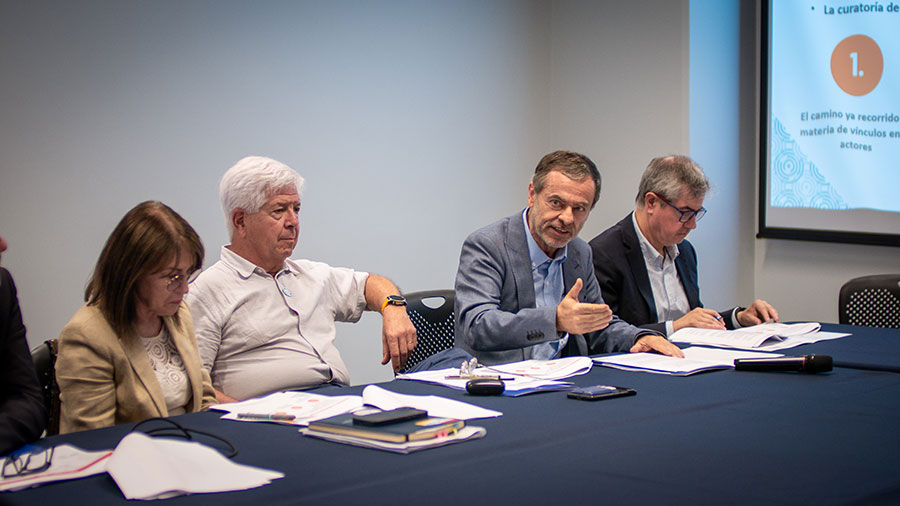
On January 8, 2026, the First Board Meeting of the Co-Laboratory for Innovation with Public Purpose (CLIPP) of the University of Chile was held, marking the formal start of its governance and the definition of a joint work plan aimed at strengthening public innovation with territorial, social, and environmental impact.
The purpose of the meeting was to establish the Board of Directors, introduce the coordinating team, and discuss CLIPP's main strategic guidelines, including its mission, transfer model, thematic priorities, and institutional projection for the period 2026.
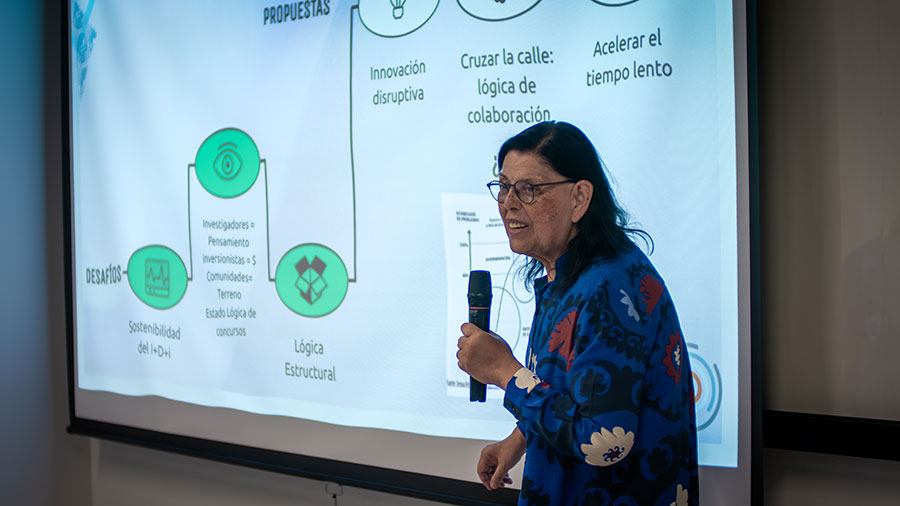
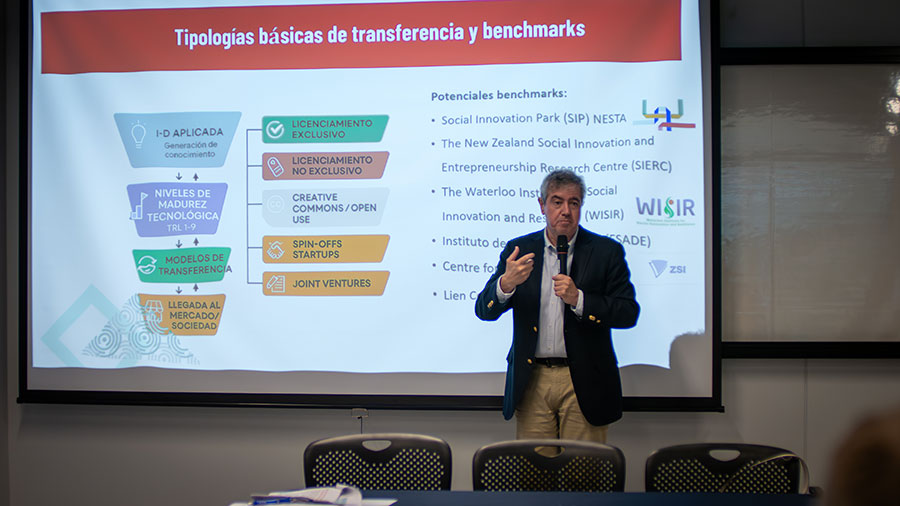
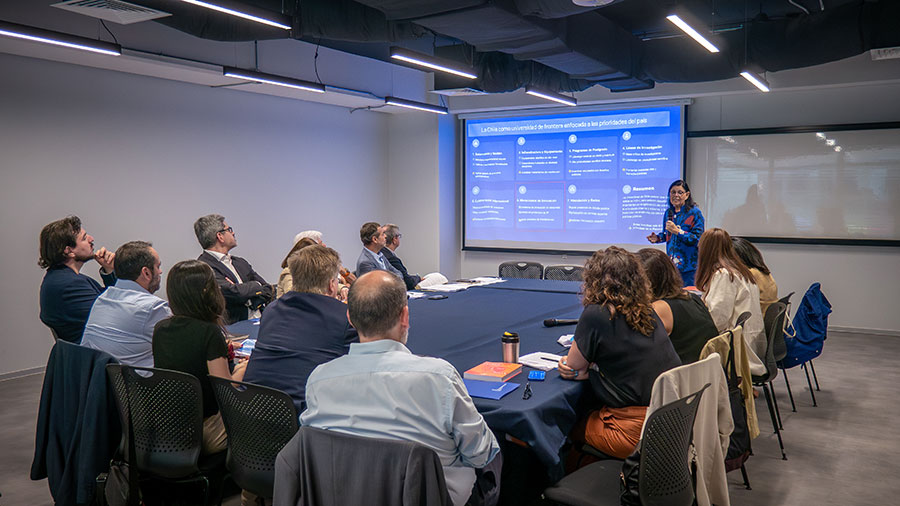
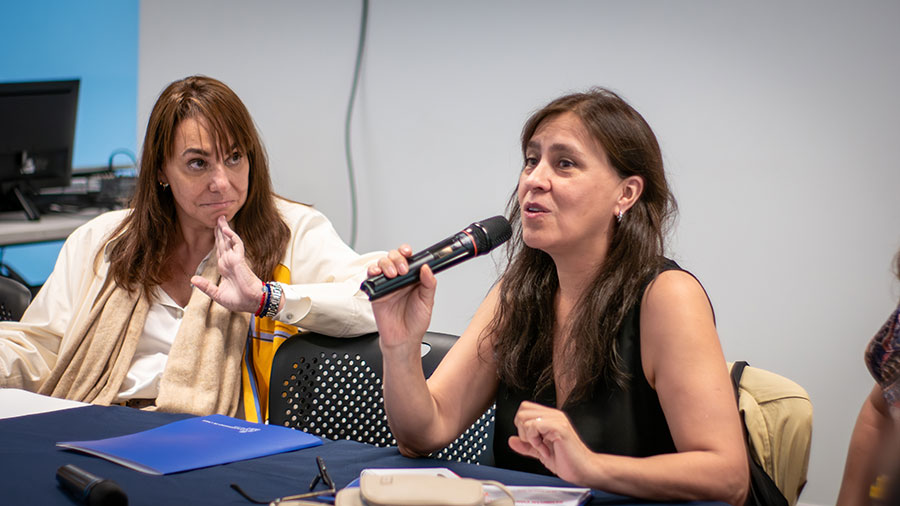
A multisectoral directory to co-create innovation with a public purpose
The CLIPP Board of Directors is composed of representatives from academia, the public sector, the private sector, and civil society, reflecting a polycentric and transdisciplinary governance model. The following individuals participated in this first session:
- Teresa Matus, Academic Director, CLIPP, University of Chile
- Alejandra Mizala, Vice-Chancellor, University of Chile
- Anahí Urquiza, Director of Innovation, University of Chile
- José Inostroza, Director of the Digital Government Secretariat
- Katherine Villarroel, Executive Director, National Council for Innovation and Development (CTCI)
- Holger Paulmann, President of ICARE
- Gabriela Salvador, Chief Executive Officer, Vantrust Capital
- Felipe Lagno, Corporate Manager of Innovation and Technology, CODELCO
- David Viera, Education and Community Manager, Anglo American
- Marcela Bravo, Director, Community of Solidarity Organizations
- Camila González, Regional Director, Foundation for Overcoming Poverty – Servicio País
- Claudio Maggi, Director of Transfers, CORFO
- Enrique García, Director of Communications
- Ignacio Larraechea, Director of Outreach
- Sergio Parra, Chief Financial Officer
During the meeting, the value of the Board as an active space for engagement was highlighted, focused not only on strategic validation, but also on the co-construction of content, priorities, and implementation mechanisms.
Mission, transfer model, and strategic focus
The meeting reviewed CLIPP's mission, which is to accelerate the country's transition toward economic, social, and environmental development through a new transfer model for innovations with a public purpose.
The CLIPP transfer model was also presented, which articulates applied research, technology readiness levels (TRL 4–9), and different mechanisms for reaching society—such as licensing, open use, spin-offs, and mixed models—with an emphasis on reducing time, risks, and costs for both researchers and strategic partners.
This approach is structured around priority areas of work, including climate change and territorial development, poverty and inequality, gender equality, work, security and social reintegration, public health and aging, education, and childhood and youth, together with cross-cutting support mechanisms.
2026 Agenda and institutional projection
The Board also discussed a preliminary agenda for 2026, prioritizing areas such as public health, children, and education, along with innovation drivers associated with applied artificial intelligence, data science, and government modernization.
The principles of sustainability and independence of CLIPP were also discussed, based on a mixed financing model—basic university funding, strategic donations, and compensation for services—along with robust mechanisms for transparency, accountability, and long-term impact projection.
A starting point for a frontier university
This first meeting marks the starting point for a multisectoral board invited to co-construct, reinforcing CLIPP's role as a platform that connects academic knowledge, institutional capacities, and specific public challenges, within the framework of a University of Chile committed to the country's priorities.
CLIPP will continue its work throughout 2026 through regular board meetings, technical committees, and pilot projects aimed at demonstrating, through implementation, the value of innovation for public purposes.
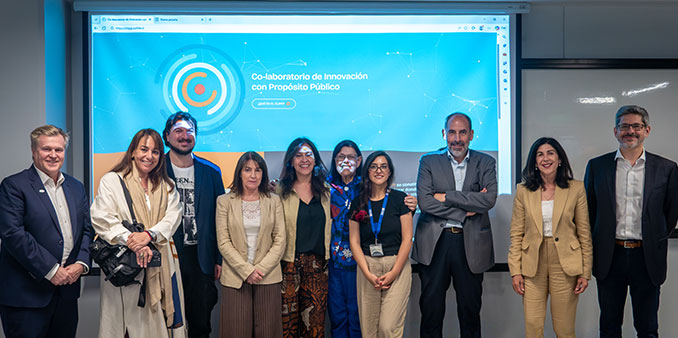
CLIPP Directory
